

-

Precision in Motion: Enhancing Process Control with Thermal Imaging
In the era of Industry 4.0, "visibility" into a manufacturing process is no longer just about seeing the surface—it is about understanding the thermal dynamics of production. Infrared Thermal Imaging has transitioned from a handheld maintenance tool to a critical, fixed-mount component of automated Process Control. As a specialized manufacturer of high-performance thermal hardware, Infraroadtech explores how thermal intelligence is revolutionizing industrial efficiency and safety. 1. Real-Time Automated Temperature Monitoring Traditional contact sensors (like thermocouples) only measure a single point. In contrast, a thermal imager…
view more -

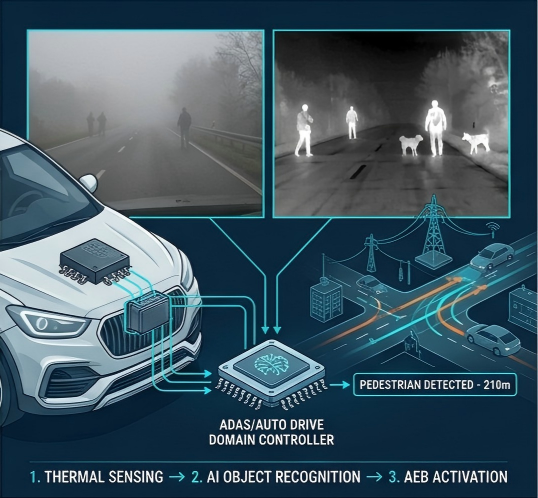
Driving Beyond the Visible: The Role of Thermal Imaging in Modern Vehicles
In the rapidly evolving landscape of automotive technology, the quest for absolute safety and reliable autonomous driving has moved beyond standard CMOS cameras and LiDAR. While traditional sensors rely on visible light or laser reflections, Infrared Thermal Imaging offers a unique advantage: the ability to "see" heat. As a leading manufacturer of high-performance thermal imagers, we examine how this technology is becoming a critical component of the modern vehicle's sensory stack. 1. Advanced Night Vision Systems (NVS) The most direct application of thermal imaging in…
view more -

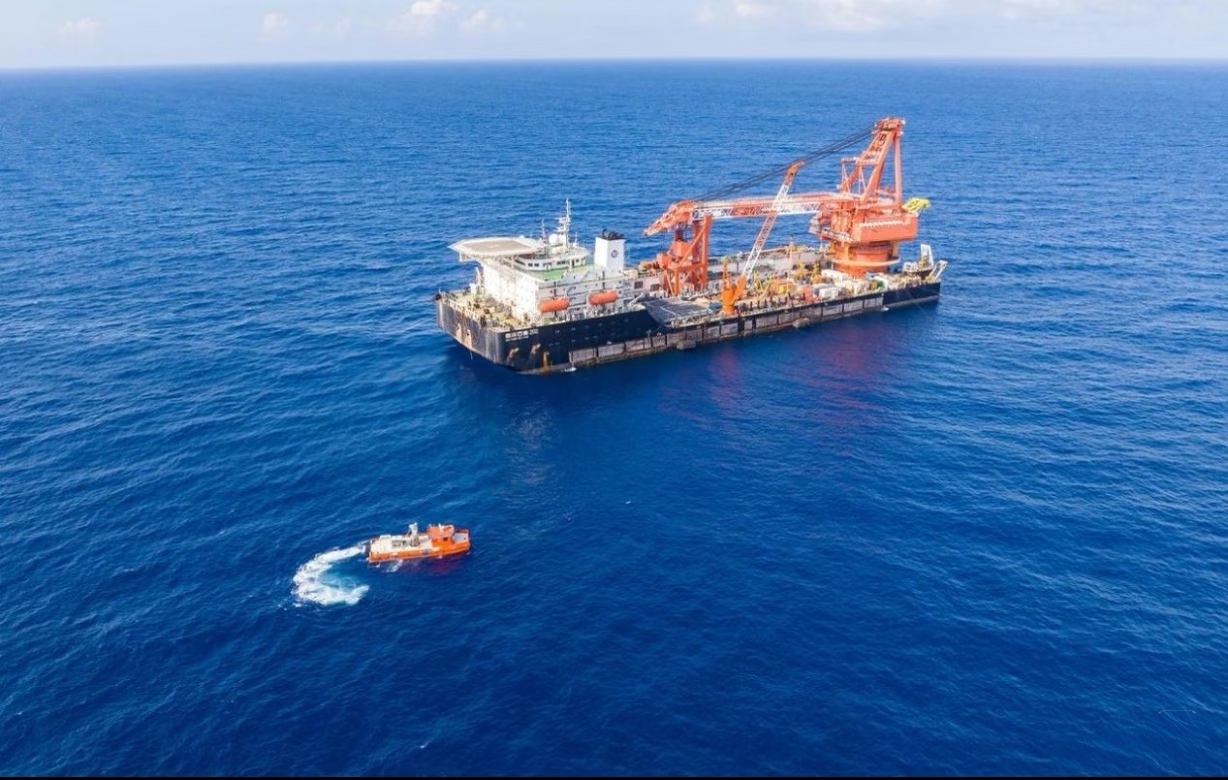
Sailing into the Future: Marine Thermal Imaging Redefines Safety, Security, and Operational Efficiency
The vast and unforgiving maritime environment presents a unique set of challenges. From navigating treacherous waters in the dead of night to ensuring the security of critical infrastructure and optimizing complex engineering systems, maritime operators require a constant, vigilant eye. Traditional visual inspections and standard radar have limitations, particularly in low-visibility conditions. Now, high-resolution marine thermal imaging cameras are transforming the maritime landscape, providing an indispensable new layer of perception that visualizes the invisible. This technology, once primarily the domain of defense, is rapidly becoming…
view more -

From Farm to Fork: Thermal Imaging Is the Food Industry’s New Secret Weapon for Safety and Quality
The journey of food from where it’s grown to the consumer’s plate is a complex and often delicate process. Any misstep can lead to spoilage, waste, and, most critically, serious food safety incidents. Traditional visual inspections and point-and-click thermometers have long been the industry standard for monitoring, but they have significant limitations. Now, a technology once reserved for military and high-tech industrial applications is revolutionizing how food processors, manufacturers, and retailers ensure the safety and quality of the global food supply: high-resolution thermal imaging cameras.…
view more -

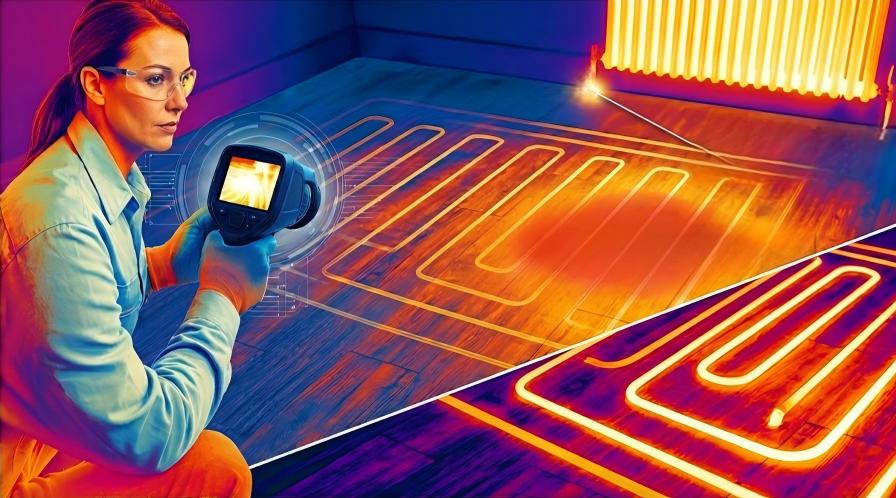
Application of thermal imaging technology in HVAC/R maintenance
Infrared Thermography is the "gold standard" for diagnostics and efficiency analysis in the HVAC/R (Heating, Ventilation, Air Conditioning, and Cooling) field. It transforms invisible temperature differences into visual images, helping technicians quickly pinpoint faults without damaging the building structure. Here are the main application scenarios for thermal imagers in HVAC/R: 1. Building Envelope and Energy Loss Detection The most intuitive use of thermal imagers is detecting "energy leaks" in buildings. Missing Insulation: Easily identifies missing, damp, or settled insulation in walls or ceilings. Air Leaks:…
view more -

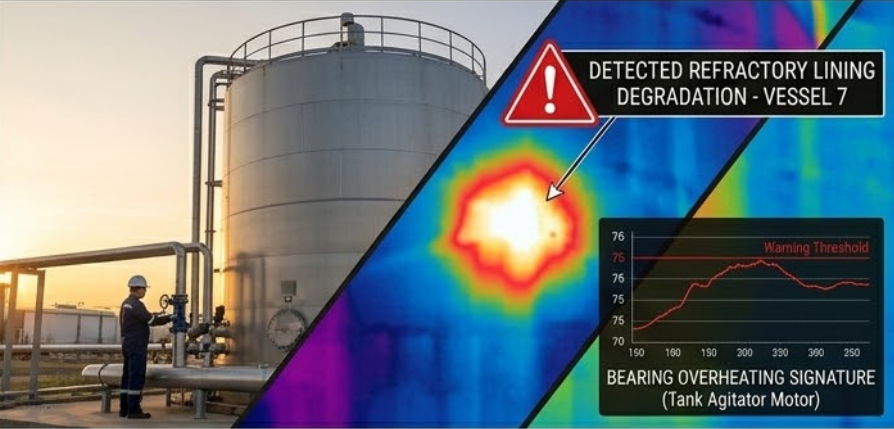
Thermal Imaging: A Game-Changer for Modern Chemical Processing
In the complex environment of chemical manufacturing, maintaining precise temperature control is not just a matter of product quality—it is a critical safety requirement. Thermal imaging cameras have evolved from simple diagnostic tools into essential components of continuous monitoring and predictive maintenance frameworks within the chemical industry. 1. Real-Time Monitoring of Exothermic Reactions Many chemical syntheses are exothermic, releasing significant heat that can lead to "runaway reactions" if not managed. Traditional contact sensors (like thermocouples) only measure temperature at a single point. In contrast, thermal…
view more -

Thermal Camera Applications for Energy Conservation and Consumption Reduction in Petrochemical Enterprises
Global industries are under increasing pressure to reduce their carbon footprint and optimize energy use as the world accelerates toward a more sustainable future. In this context, energy-intensive sectors such as petrochemicals are actively seeking advanced solutions to meet efficiency and emission reduction goals. 1.Thermal Imaging Solution One promising approach lies in leveraging cutting-edge thermal imaging technology. With capabilities such as rapid temperature measurement, high sensitivity, broad detection range, and real-time visualization, thermal cameras are playing an increasingly vital role in industrial inspection. These tools…
view more -

PTZ Thermal Cameras: The “First Responders” in Early Fire Detection
In modern safety infrastructure, the shift from reactive firefighting to proactive prevention is driven by one key technology: PTZ (Pan-Tilt-Zoom) Thermal Imaging. Unlike traditional smoke detectors that require physical particles to reach a sensor, PTZ thermal cameras "see" heat before a single flame is visible. 1. Why PTZ Thermal for Early Detection? Early Fire Detection (EFD) relies on identifying anomalous temperature rises during the "pre-ignition" or "smoldering" phases. PTZ thermal cameras offer three distinct advantages: Non-Contact Temperature Monitoring: They measure the infrared radiation emitted by…
view more