Precision in Motion: Enhancing Process Control with Thermal Imaging
In the era of Industry 4.0, “visibility” into a manufacturing process is no longer just about seeing the surface—it is about understanding the thermal dynamics of production. Infrared Thermal Imaging has transitioned from a handheld maintenance tool to a critical, fixed-mount component of automated Process Control.
As a specialized manufacturer of high-performance thermal hardware, Infraroadtech explores how thermal intelligence is revolutionizing industrial efficiency and safety.
1. Real-Time Automated Temperature Monitoring
Traditional contact sensors (like thermocouples) only measure a single point. In contrast, a thermal imager acts as thousands of non-contact sensors working simultaneously.
Full-Field Inspection: Monitor the entire surface of a product or a machine component in real-time.
Automated Alerts: Integrated software can trigger alarms or shut down a line the millisecond a temperature threshold is breached, preventing catastrophic equipment failure.
2. In-Line Quality Assurance (QA)
For industries involving heat—such as plastics, glass, or food processing—thermal consistency is synonymous with quality.
Defect Detection: Identify “cold spots” in plastic injection molding or uneven heating in food processing that are invisible to the naked eye.
Non-Destructive Testing (NDT): Inspect seal integrity in high-speed packaging lines without stopping the conveyor, ensuring 100% of products meet specifications before leaving the facility.
3. Early Fire & Hotspot Detection
In high-risk environments like chemical plants, paper mills, or waste-to-energy facilities, standard smoke detectors are often too slow.
Pre-Incidient Warnings: Thermal cameras detect the rise in temperature before smoke or flames appear.
Spatial Analysis: Advanced algorithms can distinguish between “normal” heat (like an engine) and “abnormal” heat (like a smoldering pile of material), reducing false alarms.
4. Integration with Machine Vision & IIoT
Modern process control requires seamless data flow. Our thermal modules are designed for easy integration into existing automation ecosystems:
Smart Protocols: Support for industrial communication standards allows thermal data to feed directly into PLCs (Programmable Logic Controllers) or SCADA systems.
Edge Computing: On-board processing reduces the bandwidth load by analyzing thermal data locally and only sending critical metadata to the cloud.
5. Energy Efficiency and Sustainability
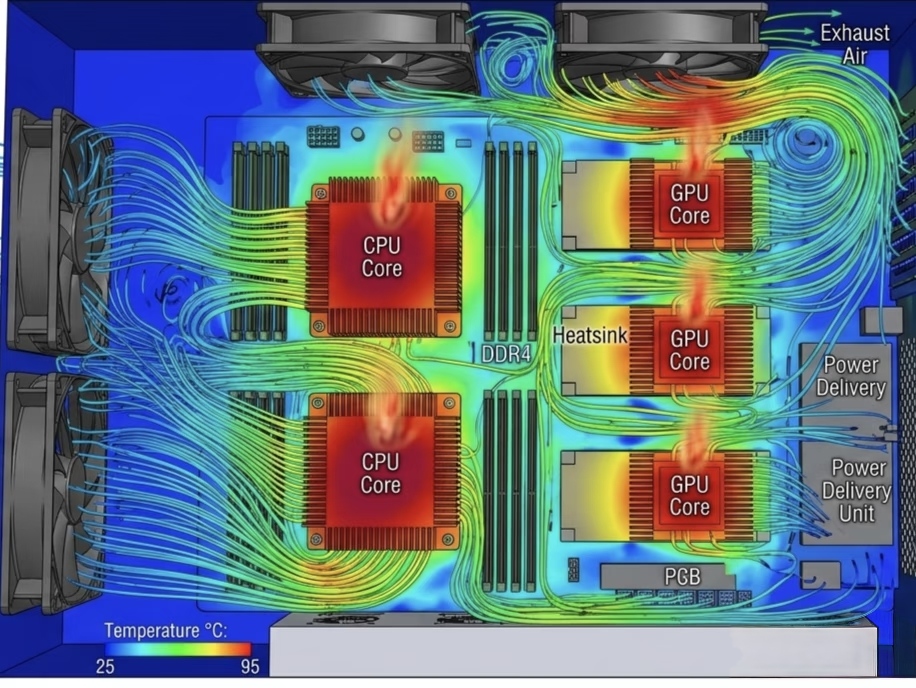
By precisely controlling the heat applied during a process, manufacturers can significantly reduce energy waste. Thermal imaging identifies heat leakage in kilns, boilers, and pipes, allowing for immediate corrective action that lowers operational costs and reduces the carbon footprint.
Technical Specifications for Process Integration
At Infraroadtech, we provide the technical foundation for these applications. Our industrial-grade sensors feature:
High Thermal Sensitivity: Detect subtle temperature variances as small as 0.03°C.
High Frame Rates: Suitable for monitoring high-speed production lines without motion blur.
Rugged Durability: Housings rated for high-ambient temperatures and dusty industrial environments.
Conclusion
Thermal imaging is no longer an optional luxury; it is a foundational pillar of modern Process Control. By providing a continuous, visual, and quantifiable stream of thermal data, Infraroadtech enables manufacturers to transition from reactive maintenance to proactive, automated excellence.